How House Framing Works: Step-by-Step Overview
People searching for house framing often want to understand how the process works, and local contractors can provide expert assistance throughout each step.
Understanding how house framing works: step-by-step overview is essential for property owners considering new construction or renovations. This process forms the backbone of any building project, providing the structural support that ensures safety and stability. For those in the area exploring options for house framing services, knowing the basics can help make informed decisions when connecting with local contractors who specialize in this critical phase of construction.
Property owners often seek to learn more about house framing to better coordinate with service providers or to oversee their projects more effectively. Whether planning a new home or upgrading an existing structure, understanding the framing process can highlight the importance of working with experienced local contractors. Keep reading to discover how these professionals can assist at each stage, ensuring a solid foundation for your property’s future.
- House framing - homeowners planning new construction or additions can rely on local contractors to handle the structural framework efficiently.
- Wall framing - when interior or exterior walls need to be erected, local service providers ensure proper support and alignment.
- Floor and roof framing - builders seeking to establish the foundation for floors or roofs can connect with local pros experienced in these critical steps.
- Custom framing solutions - those with unique design requirements or complex layouts can find specialists who adapt framing techniques accordingly.
- Structural repairs and reinforcements - property owners addressing existing framing issues or upgrades can work with local contractors to ensure stability and safety.
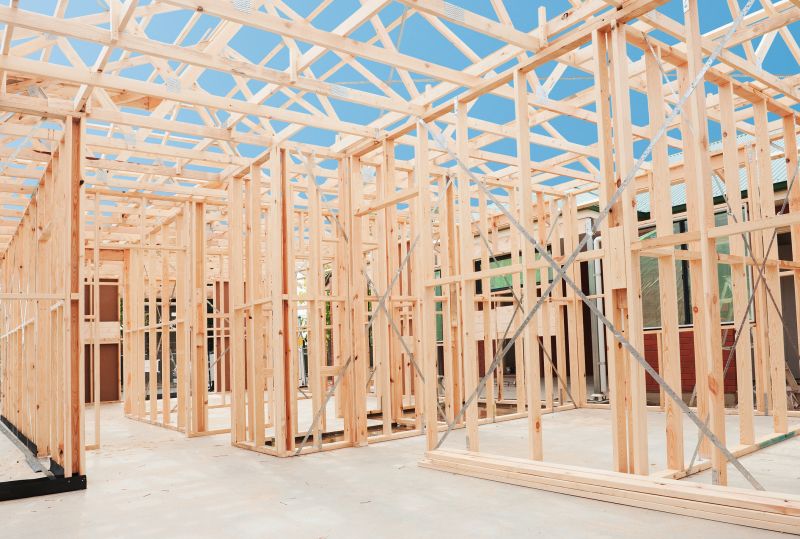
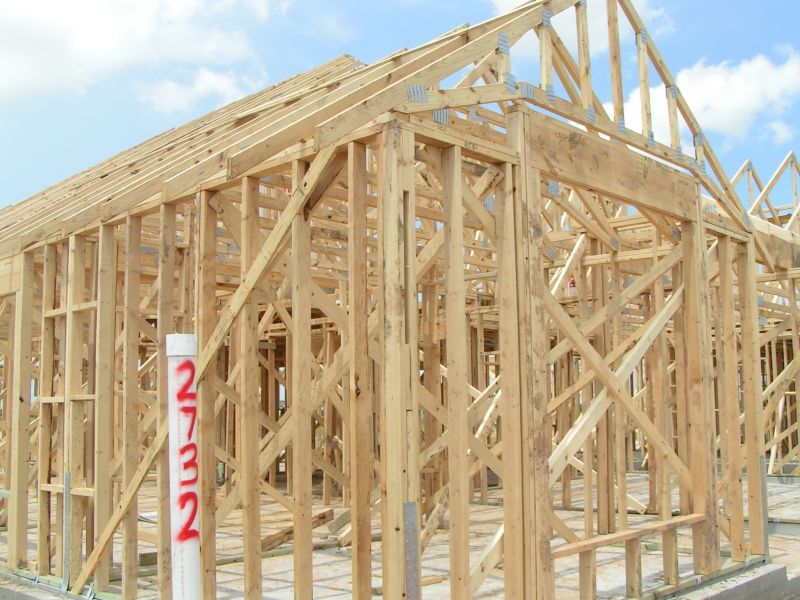
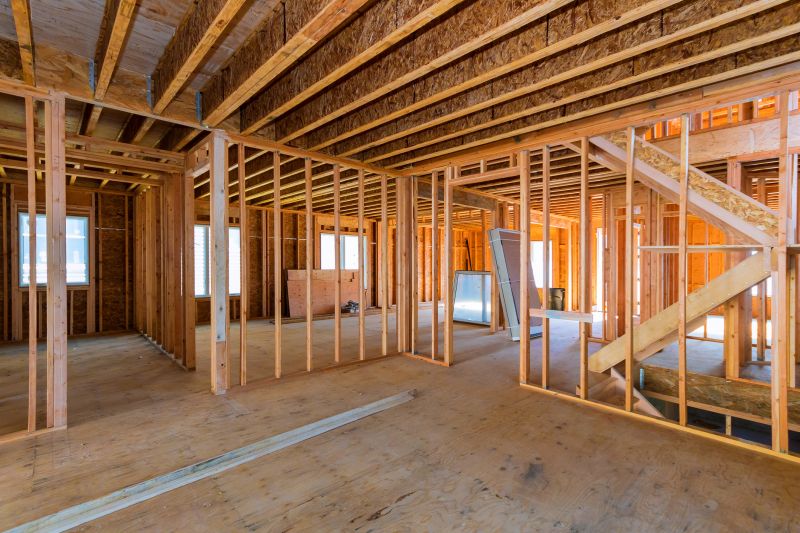
When people search for how house framing works: step-by-step overview, they are typically seeking to understand the fundamental process involved in constructing the structural framework of a home. This topic often comes up during planning or renovation projects, as homeowners want to grasp how the skeleton of a house is built and what stages are involved. It relates to various property types, including new construction, additions, or major remodeling efforts. Understanding the framing process helps homeowners better coordinate with local contractors, ensuring the project progresses smoothly and aligns with safety and design expectations.
House framing is a critical phase that determines the overall shape, stability, and support of a property. It involves creating the skeletal structure that supports the walls, floors, and roof. The process usually begins with laying out the foundation and then erecting the wall frames using materials like wood or steel. These frames are assembled on-site according to detailed plans, ensuring proper alignment and dimensions. Once the main framework is in place, it provides the foundation for installing other essential elements such as insulation, siding, and interior finishes.
The types of properties that come up when discussing how house framing works typically include single-family homes, multi-family buildings, and small commercial structures. Each property type requires a slightly different framing approach based on size, design, and intended use. For example, a standard suburban house will have a different framing plan compared to a multi-story apartment building or a custom-designed home. Local service providers who specialize in house framing can help homeowners navigate these variations by providing expertise tailored to the specific property and project scope.
Connecting with experienced local contractors is essential for a successful framing process. These professionals bring knowledge of local building codes, best practices, and materials suited to the property's design. They can interpret detailed plans and ensure the framing is accurate and structurally sound. Homeowners who understand the general steps of house framing can better communicate their needs and expectations to service providers. This collaboration helps ensure the project stays on track, resulting in a durable, well-built structure that forms the foundation for the entire home.
Foundation Construction - foundation work involves similar planning and precision, requiring careful measurement and structural support knowledge as house framing projects.
Roof Framing - roof framing shares many skills with wall framing, including the use of similar tools and understanding load distribution for structural integrity.
Deck Building - building decks involves framing techniques that are comparable to house framing, especially in creating stable, level supports.
Interior Partition Installation - installing interior walls requires similar framing skills and planning to ensure they are secure and properly aligned.
Structural Reinforcement - projects that involve reinforcing existing structures utilize framing principles to add stability and support to buildings.
Carport or Garage Framing - framing for carports and garages involves similar techniques and planning as residential house framing, focusing on durability and safety.
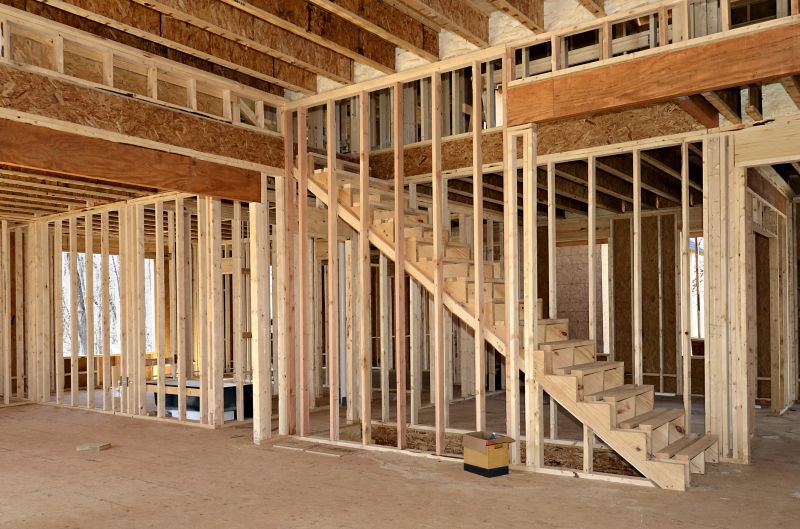
When evaluating house framing services, it’s important to consider the experience of local contractors with similar projects. Homeowners should seek out service providers who have a track record of successfully completing framing work comparable in scope and complexity to their own plans. This experience often translates into a better understanding of the step-by-step process involved in how house framing works, which can contribute to smoother project execution and fewer unexpected issues. By reviewing portfolios or asking about past projects, homeowners can gain insight into a contractor’s familiarity with different framing techniques and building requirements, helping to ensure the selected professional is well-equipped to handle the specific needs of their home.
Clear, written expectations are a key factor in choosing the right house framing service provider. Homeowners should look for contractors who provide detailed proposals or scope of work documents that outline the tasks involved, materials used, and project milestones. This clarity helps prevent misunderstandings and sets a foundation for accountability throughout the project. Having well-defined expectations also makes it easier for homeowners to compare different service providers and assess which one demonstrates transparency and professionalism in their communication. When the scope and process are clearly documented, it becomes simpler to ensure that everyone is aligned on how house framing works and what the finished result should entail.
Reputable references and strong communication skills are essential when selecting local contractors for house framing services. Homeowners are encouraged to ask for references from previous clients or to seek out reviews that reflect the contractor’s reliability and quality of work. Good communication-whether through timely responses, clarity in explanations, or willingness to address questions-can significantly impact the overall experience. Service providers who prioritize open dialogue and transparency tend to be more responsive to homeowner needs and can better explain how house framing works, ensuring that the project progresses smoothly. Choosing a contractor with trustworthy references and effective communication can provide confidence that the framing work will be handled professionally and in line with expectations.
Property owners often search for how house framing works: step-by-step overview when they are planning practical projects around their homes and businesses. Local pros provide House Framing services for everyday jobs and straightforward project options.
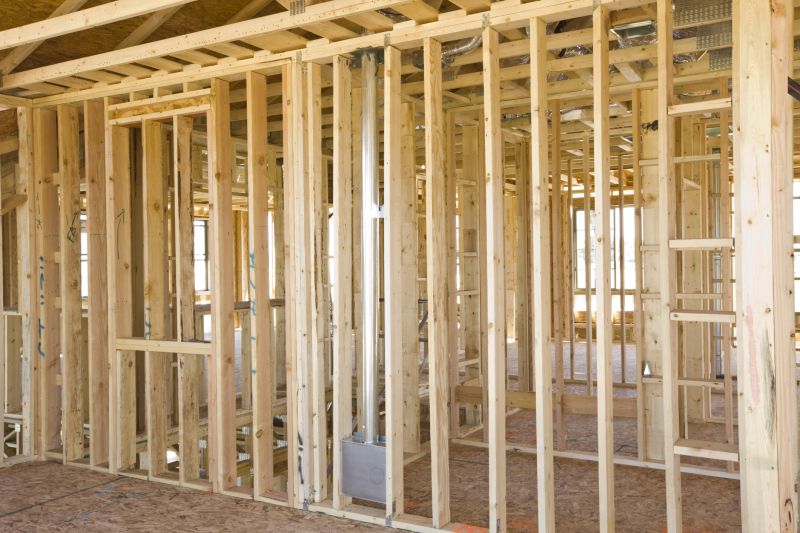
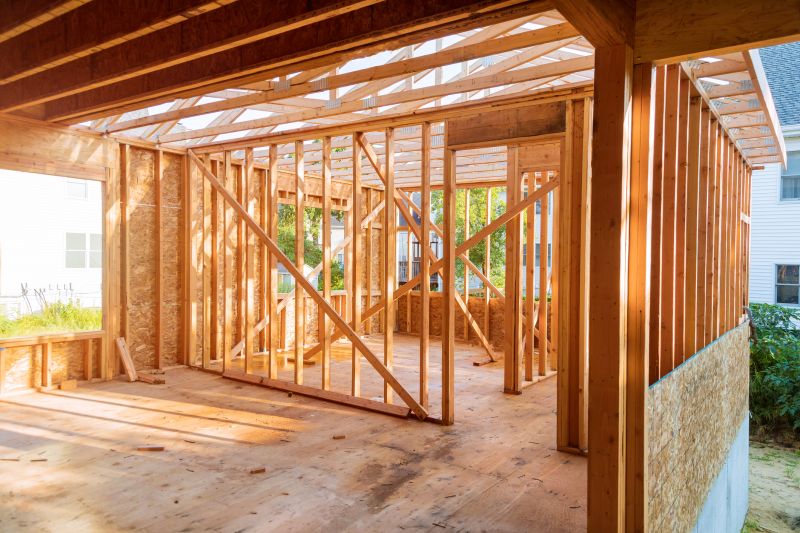
Understanding how house framing works: step-by-step overview can help property owners grasp the basic process involved in constructing the structural foundation of a home. Many local homeowners seek out this information to better understand what to expect during a new build or renovation project. When considering house framing services, it’s common to look for experienced local contractors who can handle the entire framing process, ensuring the framework is built accurately and securely to support the rest of the house.
For those planning to build or expand a property, knowing the key stages of house framing can make discussions with local service providers more straightforward. From laying out the foundation to erecting walls and roof supports, these steps are crucial for a safe and stable structure. Connecting with local pros who specialize in house framing can provide the expertise needed to navigate this complex phase, helping property owners move forward confidently with their construction projects.
What is the first step in house framing? The initial step involves preparing the foundation and ensuring it is level, which sets the stage for accurate framing by local contractors.
How do framing professionals assemble the wall and floor structures? They use framing lumber, nails, and tools to construct the wall and floor frameworks according to the building plans provided by the homeowner or architect.
What role do local contractors play during the roof framing process? They construct the roof trusses or rafters, ensuring proper support and alignment to create a stable roof structure.
How is the framing structure secured and inspected? The structure is fastened with nails or screws, and local service providers typically perform inspections to verify that framing meets safety and building standards.
What happens after the house framing is complete? Once framing is finished, the structure is ready for sheathing, exterior finishing, and other subsequent construction phases handled by local pros.
Understanding framing basics - property owners can learn how house framing provides the structural foundation for their building projects when working with local contractors.
Selecting framing materials - choosing the right wood or steel options can help ensure durability and stability for new home or renovation projects.
Planning the layout - proper design and measurements are key for efficient use of space and support, which local pros can help optimize.
Scheduling framing services - coordinating with local contractors ensures the framing process aligns smoothly with other construction phases.
If you are thinking about how house framing works: step-by-step overview for a property, this guide is meant to help you understand this topic, the typical project types, and how different options might fit your plans.
When you are ready, you can use the quote form on this page to share a few details about your project. From there, local pros can review the basics and follow up with options that match what you have in mind.